Safe and Rewarding Luxury Trips for Seniors : A Complete Guide
Travel later in life can be more comfortable, meaningful, and exciting than ever when plans match real needs instead of generic brochures. Seniors often want easy logistics, reliable medical support, and memorable experiences without rushing from sight to sight. Luxury options can meet those goals, but value depends on smart choices about pace, access, insurance, and service. This guide explores how to design journeys that feel secure, polished, and genuinely enjoyable from departure to return.
Outline: this article begins with why senior travel and luxury travel often fit naturally together, then looks at safety and accessibility, compares major premium travel formats, explains how to evaluate high-end packages, and ends with a practical conclusion for older travelers who want comfort without compromise.
Why Luxury Travel Can Be a Smart Choice for Seniors
For many older adults, travel is no longer about squeezing ten cities into seven days or proving how much ground can be covered before sunset. It becomes more intentional. Time feels more valuable, energy is something to be spent wisely, and comfort is not a frivolous extra but a tool that makes the entire experience better. That is one reason luxury trips have become increasingly appealing to senior travelers. In this context, luxury does not simply mean chandeliers in a lobby or a welcome drink at check-in. It usually means fewer hassles, better planning, more attentive staff, and enough breathing room to enjoy a destination without feeling chased by the itinerary.
There is also a practical side to this shift. Many seniors now travel with wider expectations than previous generations. They may want excellent food, private transfers, cultural depth, and accommodations that do not require climbing several flights of stairs after a long day out. A well-designed premium trip often includes exactly those conveniences. Compared with a standard group tour, a luxury itinerary may offer smaller groups, quieter hotels, more direct routes, and better local guides. These features can reduce fatigue and increase confidence, especially for travelers managing joint pain, dietary needs, or simply a desire for a gentler pace.
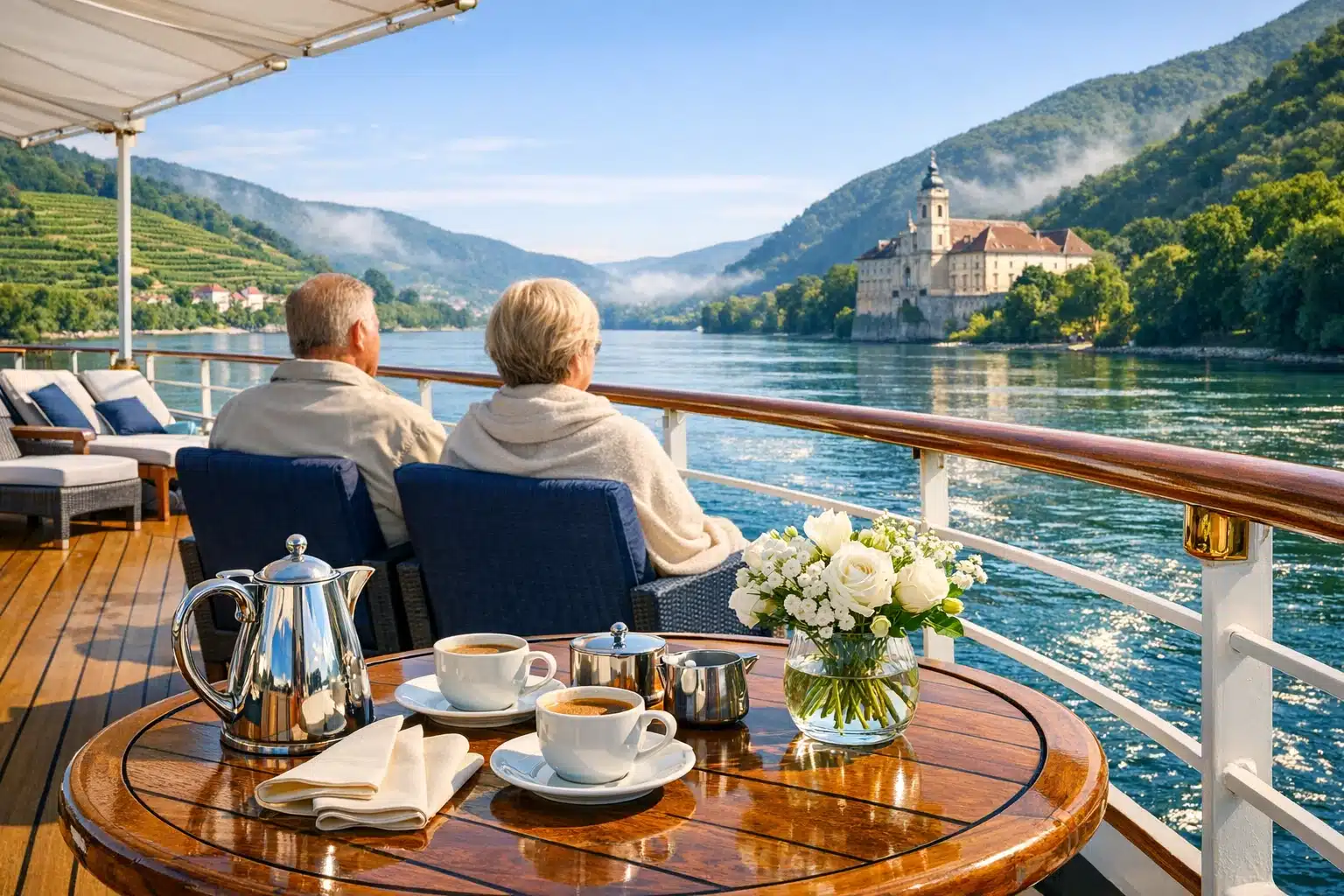
Another reason this market matters is demographic change. Populations in many countries are aging, and tourism companies increasingly recognize that older travelers are not a niche audience with narrow interests. Many are curious, active, and ready to spend thoughtfully on experiences that feel worthwhile. Some want art in Florence, some want a river cruise through the Danube valley, and some dream of hearing early morning birdsong from a safari lodge deck with coffee in hand. The common thread is not age alone. It is the wish to experience the world with dignity, ease, and pleasure.
Seen this way, senior luxury travel is less about extravagance and more about alignment. The right room category can improve sleep. The right flight connection can save a painful day. The right guide can turn a confusing city into a welcoming one. When those details are handled well, travel becomes not only possible but deeply rewarding.
Safety, Accessibility, and Health Planning Before You Go
The strongest senior travel plans begin long before the suitcase opens on the bed. Good preparation lowers stress and makes luxury spending more effective, because the point is not to pay more for glittering extras while ignoring real needs. It is to build a trip around safety, access, and peace of mind. One useful planning phrase says exactly what matters: A practical guide to travel for active seniors. Covers safe destinations, accessible transportation, health considerations.
Safe destinations are not always the most famous ones. A destination can be beautiful and still difficult if sidewalks are uneven, transfers are long, or local medical services are hard to reach. Seniors should look beyond photos and check practical points such as travel advisories, hospital access, climate, seasonal crowd levels, and how much walking a typical day requires. A charming hill town may be wonderful for some travelers and exhausting for others. In contrast, a well-connected city with reliable taxis, modern hotels, and clear accessibility standards may provide a smoother and more enjoyable experience, even if it seems less dramatic on paper.
Transportation deserves equal attention. Direct flights are often worth the extra cost because they reduce missed connections, airport transfers, and time spent standing in lines. Rail can be an excellent alternative in regions with strong infrastructure, especially when first-class seating and porter services are available. Cruises and river cruises can also simplify movement by letting travelers unpack once. Before booking, it helps to ask detailed questions: Is wheelchair assistance available at the airport? Does the hotel have elevators and walk-in showers? How far is the room from the dining area? Are excursion coaches equipped for limited mobility?
Health planning should be specific rather than vague. Travelers should bring medications in original packaging, carry prescriptions, check vaccination guidance where relevant, and understand what their insurance does and does not cover. A helpful checklist includes: • travel insurance with emergency medical and evacuation benefits • enough medication for delays • a summary of health conditions and allergies • contact details for doctors and family members • realistic plans for rest days. Sensible preparation does not make a trip feel clinical. On the contrary, it creates freedom. When the basics are secure, travelers can pay attention to the sea view, the museum, the market, and the quiet pleasure of being somewhere new.
Comparing Luxury Trip Styles: Cruises, Trains, Tours, and Tailor-Made Escapes
Not all luxury trips serve senior travelers equally well, and the best format depends on personality as much as budget. Some people love social energy and organized sightseeing. Others prefer privacy, flexibility, and long, unhurried mornings. Choosing the right structure can matter more than choosing the most expensive option.
Ocean cruises are popular for a reason. They combine accommodation, dining, entertainment, and transportation in one package, which removes many daily logistical decisions. For seniors who want convenience, this can be ideal. Larger ships, however, can involve substantial walking, busy embarkation days, and excursions that move quickly. River cruises often feel gentler. They usually carry fewer passengers, dock near city centers, and emphasize scenic sailing with culturally focused stops. The major advantage is simplicity: unpack once, enjoy a calm rhythm, and wake up in a new place without repeated hotel changes.
Luxury rail journeys offer a different kind of pleasure. They can be especially appealing to travelers who dislike airports or want the trip itself to feel memorable. Watching landscapes unfold from a spacious seat, dining in a polished carriage, and arriving in city centers rather than distant terminals can transform travel days into highlights rather than obstacles. Still, rail works best where stations, platforms, and luggage handling are manageable. It is wise to check these details carefully instead of assuming every premium train experience is equally accessible.
Escorted luxury tours suit seniors who enjoy expert guidance and a built-in social dimension. Smaller groups usually mean less waiting and more personal attention. Good operators design itineraries with balanced pacing, quality hotels, and free time rather than constant marching. Private tailor-made journeys, on the other hand, offer the highest level of customization. They are ideal for travelers with specific interests, mobility concerns, or family needs. A private guide can slow the pace, alter a route, or arrange a lunch stop whenever necessary.
The comparison comes down to trade-offs. Cruises reduce hotel changes. Rail increases scenic enjoyment. Escorted tours simplify planning. Private journeys maximize control. The most satisfying choice often combines these strengths. A senior couple might enjoy a few nights in a grand hotel, followed by a river cruise, and end with a chauffeured transfer to the airport. That layered approach can feel less like a checklist and more like a beautifully paced story.
How to Evaluate Luxury Packages Without Being Swayed by Marketing
Luxury travel advertising often sells mood before substance: a silver tray at sunset, a suite draped in linen, a smiling couple on a terrace above the water. Those images are pleasant, but they do not answer the questions that matter most to senior travelers. The smarter approach is to examine what is included, how support works in real life, and whether the itinerary protects energy as carefully as it promises elegance.
When reviewing premium offers, look closely at transfers, cancellation terms, medical access, activity intensity, and room details. A package may appear attractive until you discover that airport transfers are extra, excursions involve steep terrain, or the “centrally located” hotel is twenty minutes uphill from the nearest vehicle drop-off point. Another offer may cost more at first glance but include private airport assistance, porter service, accessible rooms, flexible dining, and a concierge who can adapt the schedule. For many seniors, that second option delivers better value because it reduces physical strain and uncertainty.
It helps to think in terms of outcome rather than image. Some travelers search using a simple brief: recommended luxury tour packages. Focus on comfort, luxury, security, and maximizing enjoyment while managing common concerns
That brief is useful because it filters out shallow promises. Comfort means supportive bedding, quiet rooms, and sensible transfer times. Security means reputable operators, clear communication, and dependable on-the-ground help. Enjoyment means enough free time to linger over breakfast, return to the hotel before evening if needed, or choose a lighter excursion without feeling left behind. Common concerns may include dietary restrictions, mobility changes, hearing limitations, or anxiety about navigating unfamiliar airports.
There are also strategic ways to improve value. Shoulder season travel can bring milder weather and fewer crowds. Longer stays in one place reduce packing and transit fatigue. Upgrading one key element, such as business-class flights or private transfers, can sometimes improve the whole trip more than upgrading everything at once. Ask direct questions before paying a deposit. Read recent reviews critically. Request daily schedules in writing. A well-chosen luxury trip should feel transparent, not mysterious. If the details are hard to obtain before booking, they may be even harder to solve while abroad.
Final Thoughts for Seniors Seeking Comfortable and Memorable Journeys
The most rewarding trips for seniors are rarely the ones that cram in the highest number of attractions. They are the ones that respect stamina, support health, and leave enough space for delight. A luxury trip can absolutely provide those benefits, but only when the planning is grounded in real needs instead of status. The goal is not to travel in a way that looks impressive from a distance. The goal is to come home feeling enriched rather than worn down.
If you are planning for yourself, or helping a parent, partner, or older friend, begin with honest questions. How much walking feels enjoyable in a day? Is a direct flight worth the higher fare? Would a small-ship cruise be easier than changing hotels? Is privacy more important than group camaraderie? Once those answers are clear, destination choices become easier. So do decisions about insurance, room types, guided excursions, and how much support to arrange in advance.
There is real pleasure in building a trip around comfort without guilt. A private transfer after a long flight is not indulgent if it prevents exhaustion. A hotel with an elevator, concierge, and excellent breakfast can be far more valuable than a trendier property with a dramatic view and difficult access. Even something as simple as scheduling free afternoons can change the entire tone of a journey. In later life, travel often becomes less about proving endurance and more about savoring quality: a slower lunch, a quieter museum visit, a room that opens onto morning light.
For senior travelers, that is the heart of smart luxury. Choose destinations that welcome rather than challenge. Choose operators that explain rather than obscure. Choose itineraries that leave room for comfort, curiosity, and rest in equal measure. When those elements come together, travel becomes not just safe and manageable, but deeply satisfying. The world remains wide, beautiful, and accessible, especially when explored with thoughtful planning and a little well-placed elegance.